Residential
Explore


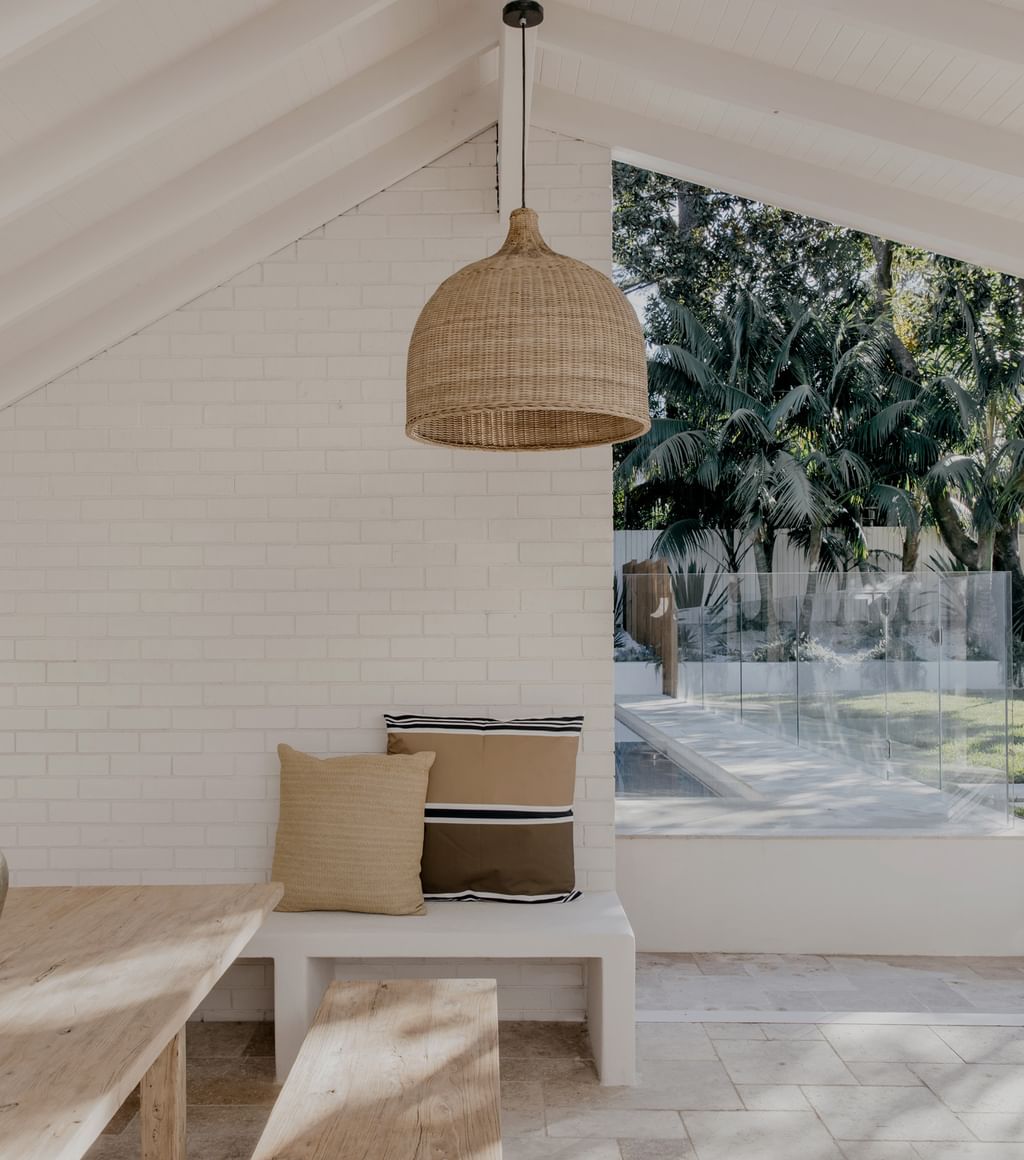
Indoor/outdoor flow is an often bandied-about term, but there's one thing rural luxury property owners all across Australia could agree on: when it's well executed, it makes all the difference in the world.
You don't have to be an interior (or exterior) decorator to understand and employ the basic principles of fluidity between different areas of your home. If you like entertaining, it's very important for a lounge to be able to open up onto an al fresco area in order to provide flexible hosting options. Conversely an outdoor area that can readily access the indoors benefits from this when temperatures start to cool.
If your primary motivation for creating indoor/outdoor flow is to entertain, there are a few things to consider. Essentially you should think of this from a party planner's perspective. Where would you want your guests to be, what would you want them to be enjoying, how would you arrange tray service or other refreshment options and what is the access to indoor amenities like?
The answers to these questions create a kind of floor plan that you could use when designing a new al fresco area, or arranging furniture.
Your rural property will most likely enjoy some kind of enjoyable outlook, whether forest, rock, bush or paddock. There are ways in which to use these features to greatly increase the harmony between your home and the external environment.
Using different shades of paint or brightly coloured artworks can really draw the hues and shades of the vista into your bedroom or living room. Objects like rough wooden furniture, natural stone floors or other environmental artefacts could also be used to highlight the ties between the house and its surrounds.
For taking a party outside, an outdoor speaker system is essential and can create a sense consistency for your guests when they move from the dining room to the patio. You can also bring outdoor sounds into your home to create a natural and relaxing vibe.
You could use nature audio recordings as a backdrop for quiet relaxation or meditation, or a central water feature could bring the calm of running water to your home.
Solid walls between rooms obviously have their purpose, but if open plan and multi-space interaction is what you want out of your home, taking down a few (non-structural) walls would be a seriously good idea.
For the threshold between indoor and outdoor living, taking out a wall is less practical. For these areas, consider extending doorways and introducing bi-fold glass doors or large windows to let light shine through.
It can sound quite obvious, but creating a warm and sheltered space in winter, or cool and shaded area in summer, is essential for creating a link between the inside and outside of your house. For major renovations or new builds, consider your orientation to the prevailing winds when planning where to put patio doors, and al fresco areas.
If you have bought an established property, a small fence, hedge or artistically designed screen could serve to keep your outdoor area sheltered from the wind. While reducing the chill of a big gust is important, an outdoor party could be dampened even more by sudden rain - so a roofed area is essential.
Fire is an element can be brought into the home to counter the bite of the wind if there are large doors left open, and also create a gathering point. Coffee tables with built-in gas fire pits are a great way to achieve this if you do not have a built in fireplace.
Outdoors column heaters or coal or wood fuelled braziers will keep you and your guests warm well into the night. They will also bring the warmth and light of the indoors to your outdoor setting, in a charming and rustic way.