
Residential
Explore


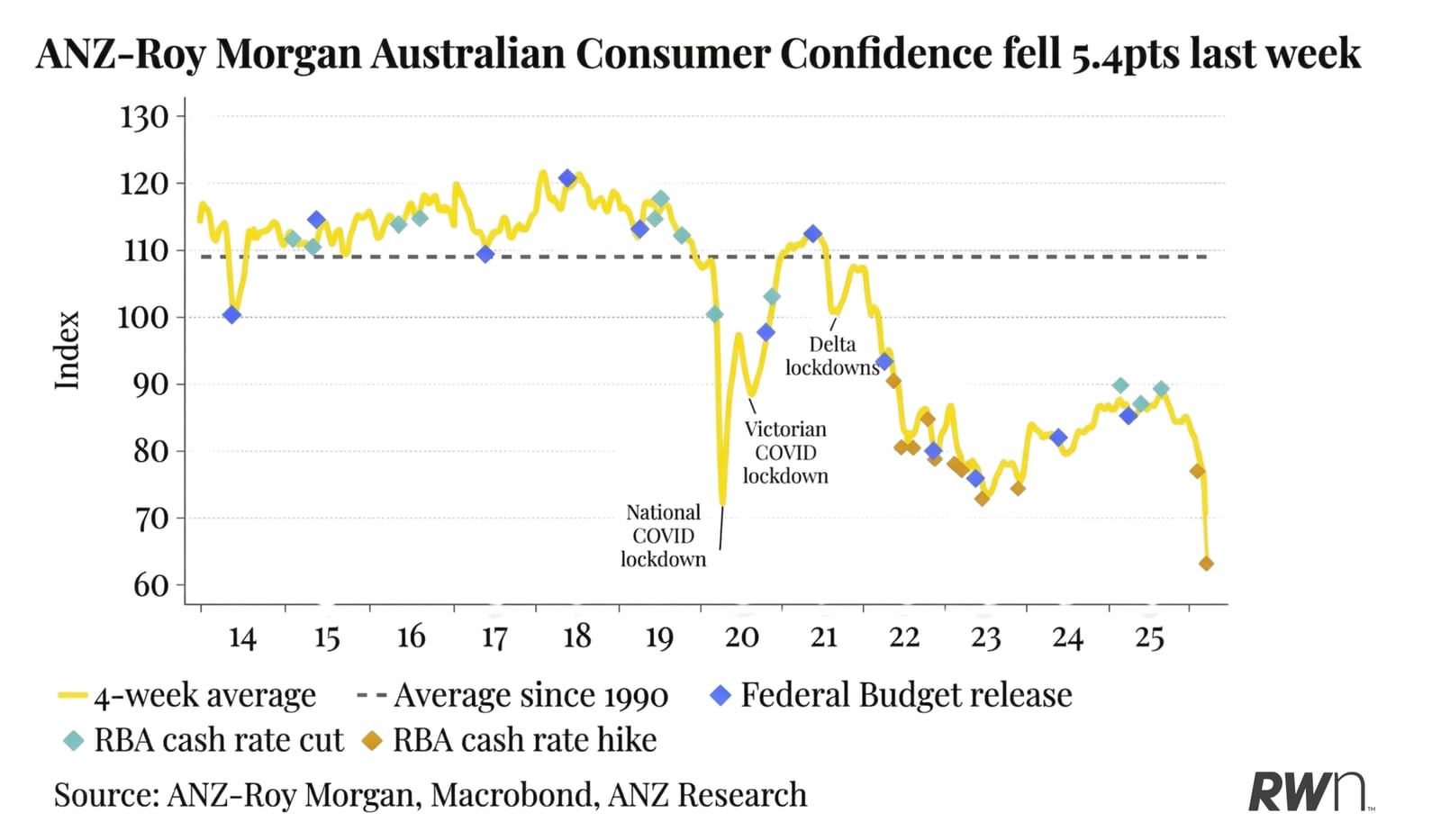

Adding to this complexity is the uncertainty surrounding fiscal policy. The Federal Budget, due in May, introduces another unknown. Potential changes to tax settings, particularly those affecting property investors, remain speculative. Even without confirmed changes, the possibility alone can influence behaviour, with investors delaying or bringing forward decisions.
However, uncertainty does not persist indefinitely. Once uncertainty begins to resolve, activity tends to improve, even if the outcome itself is not entirely positive. A further interest rate increase, for example, may weigh on borrowing capacity, but it also provides clarity. Markets are generally better at dealing with known conditions than unknown ones.
The same applies more broadly. Greater visibility on interest rates, clearer signals from the Federal Budget, or a stabilisation - and ultimately resolution - of geopolitical tensions would all help reduce uncertainty. The end of the Middle East conflict would clearly be a positive outcome, but even incremental clarity around its trajectory would be meaningful.
For the housing market, this matters. Periods of heightened uncertainty tend to suppress activity rather than alter long-term demand. As uncertainty lifts, delayed decisions are brought forward, supporting a recovery in transaction volumes. In that sense, while uncertainty is currently the defining force in the property market, it is also temporary - and as it clears, more stable conditions will follow.