Residential
Explore


The world is headed in only one direction when it comes to real estate, and that's sustainable living. Perth is a capital that knows what it wants according to new research from the Conservation Council of Western Australia (CCWA).
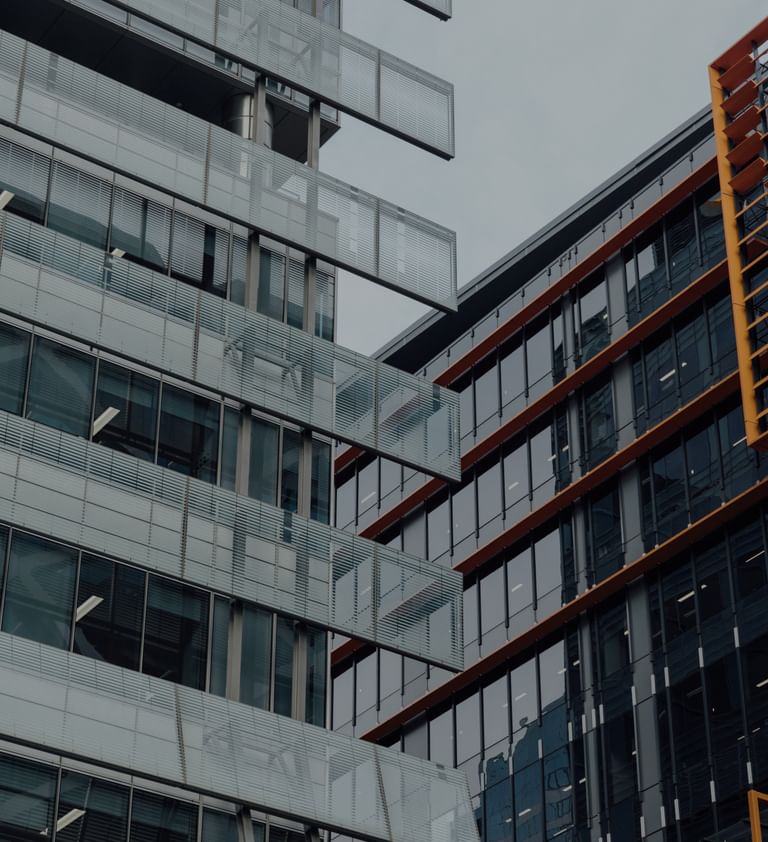
While houses for sale are still popular in Perth, a key area of progress for the WA capital would be to increase medium and high density living options. According to the survey, titled What Perth wants, 71 per cent of residents favour a move to these kinds of rental properties and owner occupied dwellings along major transport corridors. Sixty-eight percent believe it would be a positive change for the inner suburbs.
"In particular, the research shows that high quality eco-friendly developments around transport links are strongly supported by the majority of Perth residents," said CCWA director Piers Verstegen.
"This is great news for our environment. For every sustainable apartment that is built, less energy is used, less waste is created, less natural bushland is destroyed and more trips are taken by public transport."
However, the positives of a well-planned, green city aren't just limited to green intentions and environmental benefits. The Green Building Council of Australia (GBCA) notes that investment in our cities' infrastructure is crucial to economic prosperity. In addressing the Australian Infrastructure Audit, the GBCA pointed out just how much we stand to gain (or lose) from our cities.
"The audit underscores the importance of making our cities work - with cities expected to contribute $1.6 trillion to the economy by 2031, a 90 per cent increase on their current contribution," said the GBCA's CEO, Romilly Madew
"It also clearly outlines the future we face if we don't get it right - with skyrocketing congestion costs, high emissions and rising inequality just the start."
Well, it's the way up that matters. For many of the types of buildings that would suit the needs of Perth residents, increased height restriction would be necessary.
According to the CCWA survey, 55 per cent of residents are in favour of increased height limits around major transport hubs, and 50 per cent would support easing building heights if developments are environmentally friendly.
Although, that's not to say that getting around isn't important. As much as we should concentrate on our housing supply and how we can meet sustainability goals while tending to to a growing population, it's also imperative that transport options are considered too.
The survey finds that 89 per cent of Perthites support a move towards more well-designed bike paths, that help people get to work and other places of interest. A substantial 95 per cent of residents feel that an increase in public transport infrastructure and availability should be Perth's number one priority when it comes to making the city more liveable and sustainable.
The Heart Foundation has also put their support behind alternative methods of transport, stating that policies that promote walking, cycling and public transport are not only good for the wallet and easing traffic congestion, but could have serious health benefits as well. The Blueprint for an active Australia - Second edition, points out that communities that are active are also more socially connected and productive.
It's hard to say if there is any one particular policy or solution that will make all the change necessary to deliver a cleaner, greener, healthier lifestyle for Australians. But, some of the suggestions from the CCWA, GBCA and Heart Foundation are a good place to start.
As we constantly seek to improve and optimise our lifestyles and working situations, paying particular attention to real estate and development in and around inner-city locations could be a great way to get going.